Malware & Ransomware coverage from Honeypot Daily holds 19 articles, 15 of them reference guides. The newest was published on October 19, 2026. New stories are added as soon as they are confirmed, from more than 150 sources checked as often as every 45 seconds. Each story lists its sources. Primary sources we follow for this section include No More Ransom and UK National Cyber Security Centre.
Former Air Force security staff reveal how personnel used commercially bought removable media for mission planning in Afghanistan, bridging air gaps with malware risks.
Standard antivirus tools often miss kernel-level threats that persist across system restarts, requiring manual inspection of launch agents and daemon directories for complete removal.
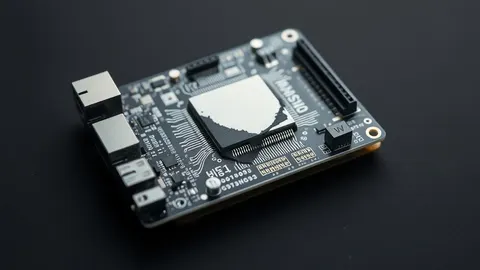
Firmware resides below the operating system, allowing malware to survive disk wipes and remain active during secure boot processes that standard security tools cannot detect.
Standard antivirus tools often miss kernel-level threats, requiring dedicated hypervisor-based scanning or trusted boot mechanisms to verify system integrity effectively.
Volatile memory holds encryption keys and process trees that disappear when the power cuts, offering a view of active threats that disk scans cannot see.
Traditional signature matching misses novel attacks, requiring behavioural analysis and endpoint isolation to stop ransomware before encryption begins.
Paying ransomware operators often accelerates future attacks, while refusing payment shifts the burden to internal recovery capabilities and forensic investigation.
Grouping malware by lineage reveals shared weaknesses, allowing defenders to block entire variants with a single detection rule rather than chasing individual file hashes.
Browser extensions operate with elevated permissions that allow them to intercept, modify and inject data into every web page you visit without your explicit knowledge.
Stop relying on static signatures. Implement behaviour monitoring and strict access controls to catch code that changes its appearance with every infection.