
Vulnerabilities
WordPress Plugin Vulnerabilities: Causes, Consequences and Closures
Plugin flaws rarely stem from complex code errors; they usually arise from missing input validation and the silent acceptance of unpatched legacy dependencies.
Plugin flaws rarely stem from complex code errors; they usually arise from missing input validation and the silent acceptance of unpatched legacy dependencies.

A critical remote flaw in the D-Link DCS-930L bootloader allows attackers to manipulate firmware arguments and bypass cryptographic verification.

A critical flaw in Metasploit Framework allows unauthenticated users to erase or alter shared credential data, exposing sensitive security assets.

NetEase Cloud Music Windows versions 3.1.38 and 3.1.39.205426 contain a critical flaw allowing MITM attacks via broken certificate validation.

Britain plans to scale an AI-driven security audit programme after a trial identified hundreds of flaws in public sector codebases.
A critical SSRF flaw in Crawl4AI allows API users to fetch private and cloud metadata before version 0.9.4.

Huntress researchers report active exploitation of two unpatched flaws in AhsayCBS, allowing attackers to deploy webshells and disguised cryptocurrency miners on MSP servers.

Analysis suggests a flaw in the XRP ledger could have enabled the generation of billions in currency, highlighting rising risks in crypto infrastructure.

A critical deserialization flaw in VillaTheme AFFI allows object injection, risking full server compromise for WooCommerce merchants using affected versions.

Firmware updates often introduce new attack surfaces and require strict cryptographic verification to prevent persistent compromise of hardware devices.

VibeThemes WPLMS WordPress plugin versions prior to 1.9.9.8.2 contain a critical SQL injection flaw allowing blind data extraction.

The jegtheme JNews Pay Writer plugin contains a critical blind SQL injection vulnerability affecting versions up to 12.0.1, requiring immediate attention.

A critical flaw in the Privasys rustls fork allowed attackers to relay enclave quotes, bypassing attestation checks before version 0.8.1.

A high-severity flaw in Apache Camel Karavan lets authenticated users write files outside project directories, enabling remote code execution via Git commits.

A critical deserialization flaw in ThemeREX Dwell versions up to 1.16.0 permits object injection, posing severe risks to organisations using the software.

Default credentials often hide in plain sight, masquerading as valid accounts within complex network traffic rather than obvious login failures.

Temporary controls shift risk rather than removing it, creating hidden complexity that often outlives the original vulnerability.

Input validation fails when it relies on regex rather than strict schema parsing, allowing encoded payloads to bypass surface-level checks.

Most organisations defend assets they believe exist, leaving invisible cloud resources and shadow IT wide open to automated scanning and exploitation.

Static analysis finds logic flaws early but misses runtime errors, while dynamic testing catches runtime issues but often misses deep logic bugs.

Virtual patching intercepts traffic before it reaches the application, allowing defenders to block exploits without touching the underlying code or restarting services.

DAST reveals runtime flaws like injection attacks that static code scans miss, but it cannot see inside the source code logic itself.
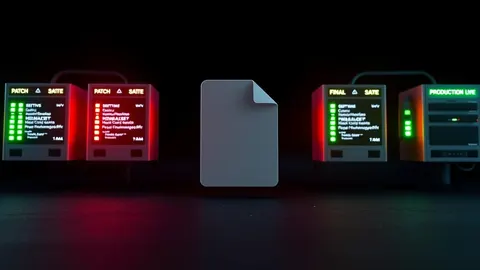
Treating patches as code deployments prevents outages by forcing validation before production exposure and isolating failure points.

Most penetration tests fail because scope ambiguity allows testers to miss critical business logic flaws that automated scans ignore completely.