Are French and Dutch Supermarkets Facing Critical Refrigeration Cyberattacks?
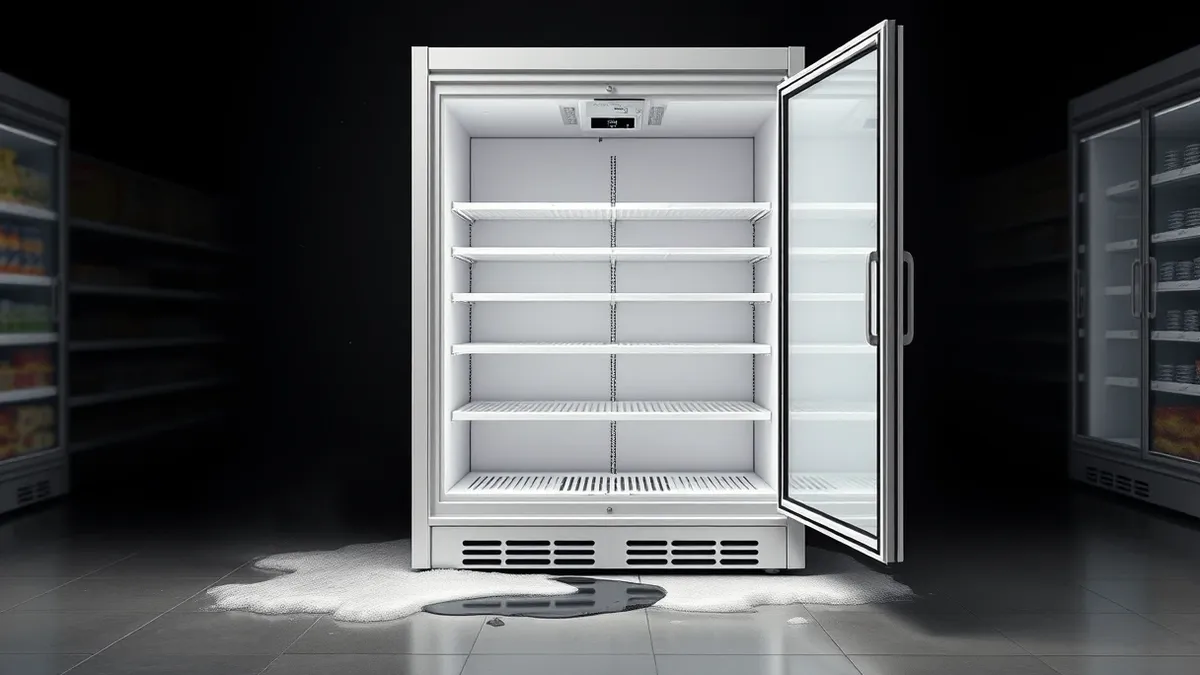
Hackers allegedly manipulated cooling systems to 50°C in France, spoiling food stocks, while similar incidents reportedly affected stores in the Netherlands.
Key points
- Supermarket refrigerators in France were reportedly heated to 50°C by cyber attackers.
- The temperature spike caused significant spoilage of perishable food stocks.
- Stores in the Netherlands were also reportedly impacted by similar incidents.
The short version
- Cyber attackers allegedly manipulated industrial refrigeration systems in French supermarkets.
- The manipulation raised internal temperatures to 50°C, spoiling stored food inventory.
- Reports indicate that retail locations in the Netherlands faced comparable cyber incidents.
The details
Cyber attackers reportedly targeted supermarket refrigeration infrastructure in France, forcing cooling units to heat up to 50°C, according to Hackread. This extreme temperature shift rendered stored perishable goods unsaleable, resulting in spoiled food stocks. The incident highlights a direct physical consequence of digital intrusion into critical retail infrastructure. The attackers manipulated physical environment controls to cause tangible asset loss.
The scope of the disruption extends beyond France. Hackread reports that stores in the Netherlands were also hit by similar cyber incidents. While specific details on the Dutch operations remain limited in the current reporting, the geographic spread involves multiple countries. This pattern shows that threat actors are targeting retail cold-chain logistics.
The context
This incident underscores the vulnerability of Internet of Things (IoT) devices within critical supply chains. Retailers rely on automated temperature control systems to maintain food safety standards. When these systems are connected to corporate networks, they become potential entry points for cyber attackers. The ability to remotely alter physical parameters like temperature demonstrates the convergence of IT and operational technology risks.
For business leaders, this event serves as a reminder that cyber security involves protecting physical assets. It is about maintaining operational continuity and preventing physical damage. The financial impact here is visible through spoiled inventory, but the reputational damage from failing to protect food safety could be severe. Organisations must assess how their digital networks interface with physical building management systems.
Next steps
Retailers and logistics providers should immediately audit their network segmentation strategies. Critical infrastructure controls, such as refrigeration and HVAC systems, should be isolated from general corporate networks. Security teams need to monitor for unusual command signals sent to industrial control systems. Any anomaly in temperature readings should trigger an immediate investigation into potential cyber intrusion.
Background: Threat actors
Threat actors are individuals or groups who initiate cyber attacks. They range from lone hackers to state-sponsored organisations. Understanding their motives helps you predict behaviour. You must monitor for anomalies, not just known signatures, to detect their presence before data exfiltration occurs.
Read the full guide: What Is Threat Actors: Definitions, Tactics and Detection Strategies
What to do and how to stay safe: supermarket
- Segment industrial control networks from general IT infrastructure to limit attack surfaces.
- Monitor environmental sensors for anomalous temperature spikes that could indicate remote manipulation.
- Review access controls for building management systems to ensure only authorised personnel can adjust settings.
- Develop incident response plans that address physical safety and asset preservation during cyber events.
Step-by-step guide: Password Manager Security Checklist: Hardening Your Vault
General security guidance from the Honeypot Daily newsroom. It is not confirmed advice from the organisations named in this story.
Frequently asked questions
Which countries were affected by the supermarket refrigeration cyberattacks?
France and the Netherlands were reportedly affected by incidents where supermarket fridges were manipulated.
What temperature did the hackers set the refrigerators to?
Hackers reportedly heated supermarket fridges to 50°C in the French cyberattack.
What was the immediate result of the temperature increase?
The extreme heat spoiled food stocks, causing significant waste and financial loss for the retailers.