Can authenticated users run root commands on Advantech ADAM-3600?
A high-severity command injection flaw in older ADAM-3600 firmware allows attackers to execute code with root privileges on the system.
Key points
- CVE-2026-43850 affects Advantech ADAM-3600 devices running firmware prior to version 2.8.5.0.
- The vulnerability is rated CVSS 8.6 HIGH by the National Vulnerability Database.
- An attacker must first authenticate to the system before exploiting the command injection flaw.
The short version
- The National Vulnerability Database records CVE-2026-43850 as a command injection issue.
- Advantech ADAM-3600 units using firmware versions earlier than 2.8.5.0 are affected.
- Successful exploitation grants an authenticated attacker root-level code execution.
The details
The National Vulnerability Database lists CVE-2026-43850 as a command injection vulnerability with a CVSS score of 8.6, which falls into the high severity category. This flaw exists within the Advantech ADAM-3600 industrial automation product line. According to the NVD record, any version of the software prior to 2.8.5.0 is vulnerable to this specific issue. The description states that an attacker who has already authenticated to the system can leverage this weakness. By injecting malicious commands, the attacker achieves root-level code execution on the host device. This allows the execution of code with root privileges.
The context
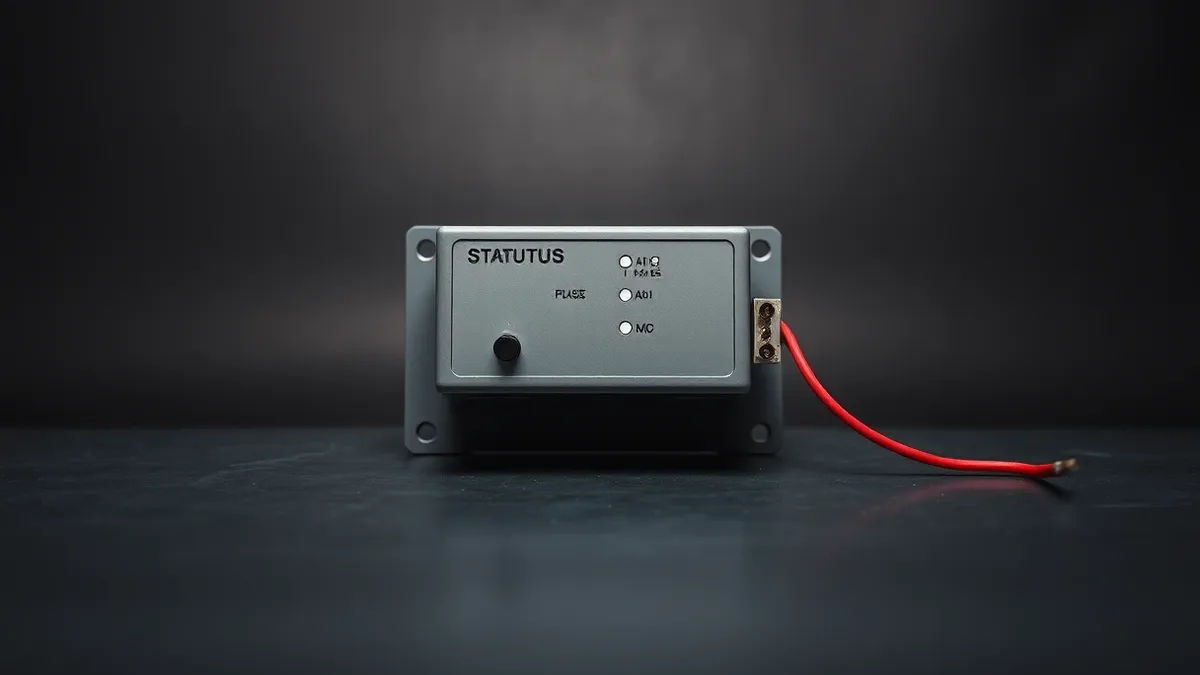
The ADAM-3600 is a modular digital I/O module often used in industrial environments. Security operations teams managing these devices must verify their current firmware versions immediately. Devices running versions older than 2.8.5.0 are exposed to this risk. The requirement for authentication means an attacker needs valid credentials first. However, once inside, the ability to run commands as root is a critical failure of privilege separation. Teams should audit their asset inventory to identify any units still on legacy firmware.
Next steps
Organisations should check their ADAM-3600 deployments for firmware versions. Any unit running software older than 2.8.5.0 requires an update. If immediate patching is not possible, restrict network access to these devices. Limit authentication methods to reduce the chance of credential theft. Monitor logs for unusual command execution patterns from authenticated sessions.
What defenders should look for
Teams usually review authentication logs for successful logins followed by unexpected command execution. Look for processes spawning from web interfaces or management consoles that do not match standard operations. Check for new network connections initiated by the device itself, which may indicate a reverse shell. Verify that only authorised users have access to management interfaces. Isolate compromised devices from the production network immediately to prevent lateral movement.
What to do and how to stay safe: Advantech
- Audit all Advantech ADAM-3600 devices to confirm firmware versions are 2.8.5.0 or later.
- Rotate credentials for any administrative accounts on affected systems to mitigate risk.
- Implement strict network segmentation to limit access to management interfaces.
- Monitor system logs for anomalous command execution from authenticated users.
Step-by-step guide: How Virtual Patching Works: The Mechanics Behind Inline Protection
General security guidance from the Honeypot Daily newsroom. It is not confirmed advice from the organisations named in this story.
Frequently asked questions
Which CVE ID covers this command injection flaw?
The vulnerability is tracked as CVE-2026-43850.
What is the CVSS score for this issue?
The National Vulnerability Database rates it as 8.6 HIGH.
Which firmware versions are affected?
Advantech ADAM-3600 versions prior to 2.8.5.0 are vulnerable.