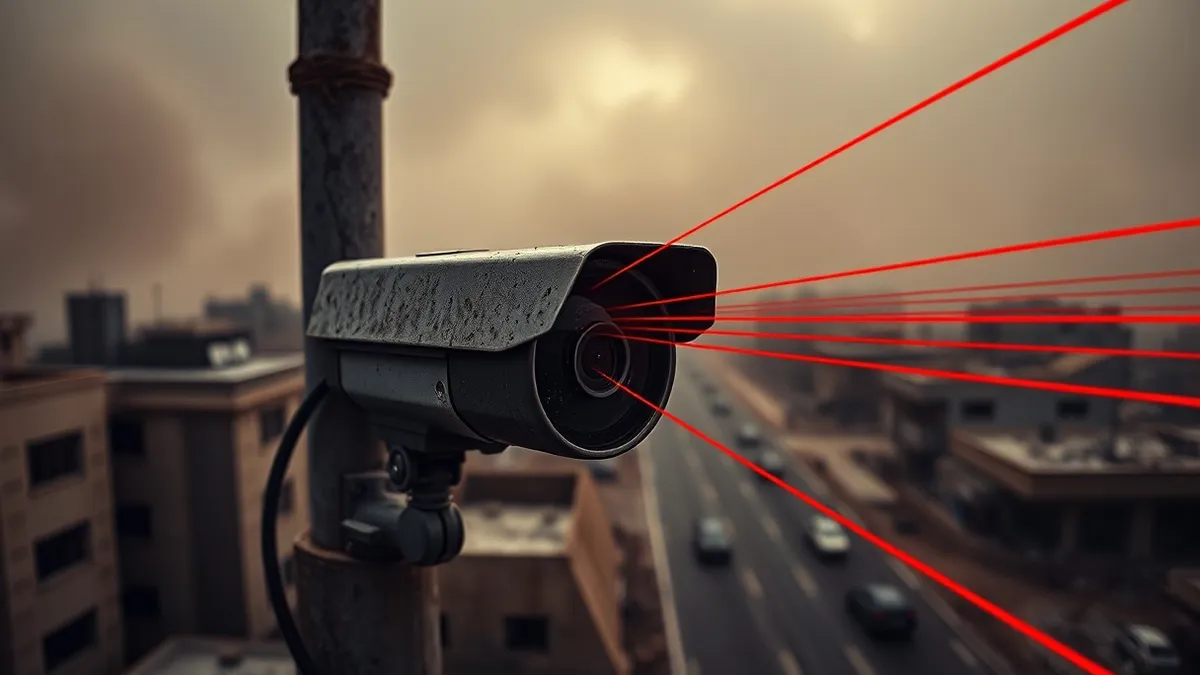
How Hacked Civilian Cameras Became Instruments of Modern Warfare
Vulnerable traffic and surveillance cameras are being weaponised by state actors and militant groups for reconnaissance and targeting in active conflicts.
Key points
- Israel tapped Iranian traffic cameras before Khamenei's killing.
- Iran-linked groups hit more than 250 Israeli cameras.
- These devices are used for tracking, surveillance and attack coordination.
The short version
- Civilian cameras are functioning as combat tools for tracking and surveillance.
- Israeli forces tapped Iranian traffic infrastructure before Khamenei's killing.
- Militant groups linked to Iran attacked over 250 cameras in Israel.
The details
Highly vulnerable civilian cameras have evolved into instruments for combatants to track, surveil and attack enemies, according to a report by the Wall Street Journal. This shift transforms everyday infrastructure into active components of warfare.
The report details how Israeli forces tapped into Iranian traffic cameras before Khamenei's killing. This action demonstrates the strategic value of such feeds for reconnaissance and operational planning.
Simultaneously, groups linked to Iran targeted more than 250 Israeli cameras. These incidents highlight the reciprocal nature of cyber-physical attacks. Both sides are leveraging compromised visual feeds to gain tactical advantages.
The context
The underlying vulnerability of these devices makes them attractive targets. Hackers can exploit weak security to gain remote access. Once inside, they can view live feeds or historical recordings.
This access allows adversaries to monitor troop movements, vehicle patterns and security postures. The Wall Street Journal notes that these devices are now central to combat operations. The scale of the compromise, with hundreds of cameras hit, indicates systemic weaknesses.
Next steps
Security teams must audit all connected devices. Identify cameras that are internet-facing or poorly secured. Remove unnecessary devices from the network. Update firmware where possible to patch known flaws. Monitor for unusual data exfiltration from camera networks.
What to do and how to stay safe: Iran
- Change default passwords on all network-connected cameras immediately.
- Isolate camera networks from main corporate or operational networks.
- Monitor logs for unauthorised access attempts or data transfers.
- Disable remote access features unless strictly necessary and secured.
Step-by-step guide: Password Manager Security Checklist: Hardening Your Vault
General security guidance from the Honeypot Daily newsroom. It is not confirmed advice from the organisations named in this story.
Frequently asked questions
Which countries are involved in the camera hacking incidents?
The report cites Israeli forces tapping Iranian cameras and Iran-linked groups attacking Israeli cameras.
What was the scale of the attacks on Israeli cameras?
Iran-linked groups hit more than 250 Israeli cameras, according to the Wall Street Journal.
How are these cameras being used in the conflict?
They are used as tools for combatants to track, surveil and attack the enemy.